
When retrofit cavity wall insulation is installed in a property that is either unsuitable for it or where the installation has not been carried out correctly. One of the earliest and most common signs of a problem is the development of internal dampness.
Homeowners are often unaware of issues with cavity wall insulation until symptoms begin to appear internally. Problems such as incomplete filling, over-packing, slumping, or missed areas within the cavity can go undetected. The presence of obstructions or detailing issues may also go unidentified prior to installation. In some cases, properties may not be suitable for cavity wall insulation. Leading to unintended moisture-related defects over time. The case study discussed here is an example of the latter scenario, where site conditions indicate that cavity wall insulation was not appropriate for the property.
I was recently asked to carry out a damp survey in Liverpool. The property is a post-war 1960s end-terrace property. This is a relevant factor, as end-terrace properties typically have greater external wall exposure compared to mid-terrace buildings. Which will be increasing their susceptibility to weather-related moisture ingress.
The property is of cavity wall construction with retrofit cavity wall insulation. It also incorporates solid ground floors and a bitumen damp-proof course (DPC).
The property is situated at the top of a hill and is heavily exposed to prevailing south-westerly winds, with minimal natural shelter from surrounding buildings or vegetation. As a result, the external walls are subject to significant levels of wind-driven rain.
The presence of cavity wall insulation can reduce the wall’s ability to dry out as effectively as originally designed. The retrofit insulation alters the moisture behaviour of the wall construction, and in certain situations can contribute to increased moisture retention within the external leaf. This can create conditions that are consistent with interstitial condensation and related moisture accumulation within the wall fabric.
Interstitial condensation refers to moisture forming within the fabric of a wall construction rather than on its internal or external surfaces. In cavity wall construction, this can occur within the cavity zone or at the interface between materials.
Air contains a natural amount of moisture in the form of water vapour. When warm, moisture-laden air moves into a cooler part of a structure and reaches a temperature known as the dew point, it can no longer hold that moisture in vapour form. As a result, the water vapour condenses into liquid water.
In buildings where cavity wall insulation has been installed, the normal movement of heat and moisture through the wall can be altered. In some cases, this can reduce the wall’s ability to dry out as originally intended, allowing moisture to become trapped within the cavity over time.
This moisture may originate from both external sources, such as wind-driven rain penetrating the outer leaf, and internal sources, where water vapour from within the property migrates through the structure. Over time, this can lead to increased moisture levels within the cavity.
Sustained moisture within this zone can contribute to internal dampness. This may also increase the risk of deterioration to embedded components such as cavity wall ties. Particularly where long-term exposure to moisture is present.
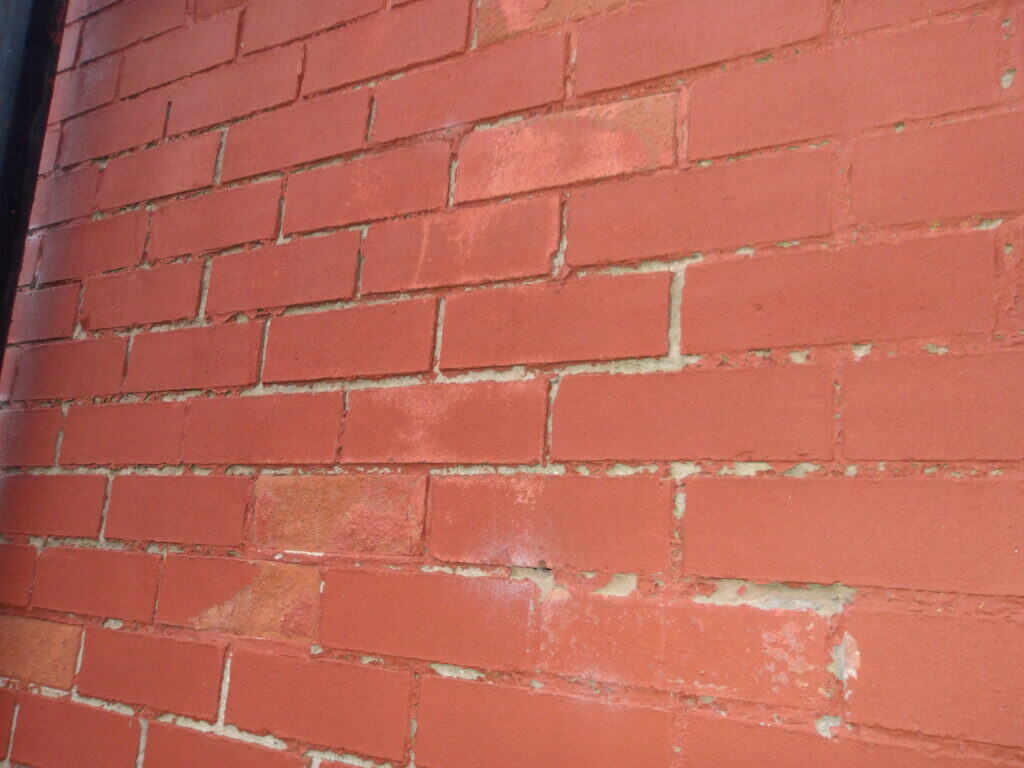
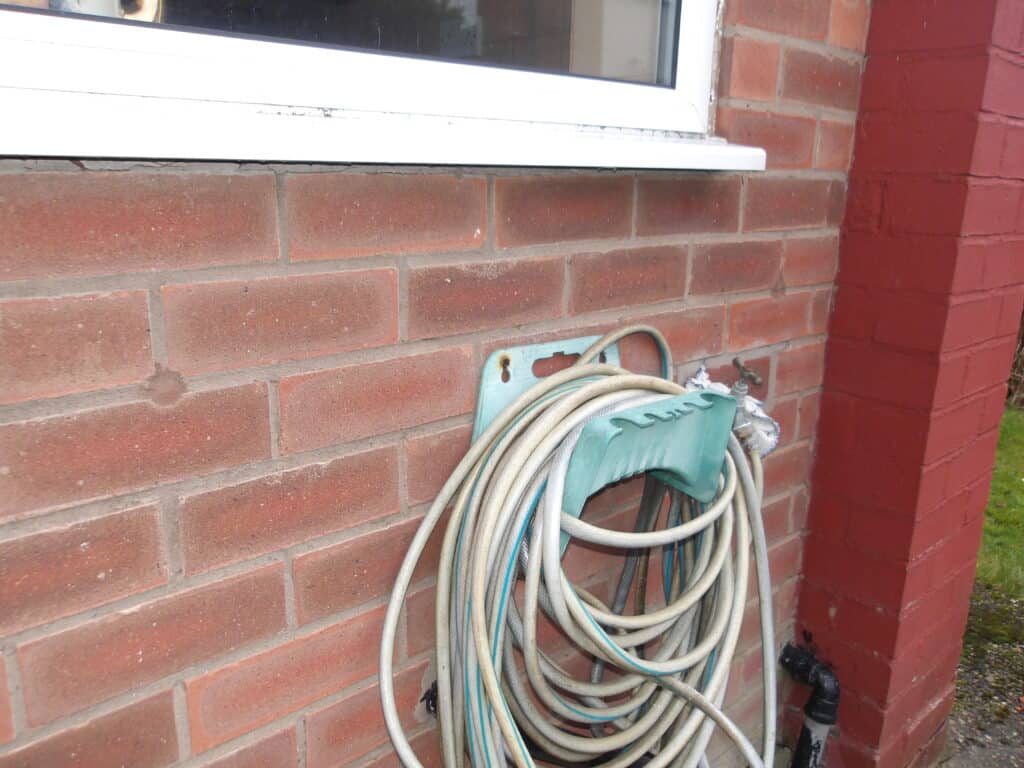
This case study demonstrates how retrofit cavity wall insulation can influence the moisture behaviour in a building. A detailed damp survey is necessary to fully establish the extent of moisture movement within the structure. This also helps determine the most appropriate remedial strategy. This typically involves a combination of internal and external inspection and moisture profiling. An understanding of the property construction and exposure conditions is vitally important.
Where damp-related issues are identified, it is important that the underlying cause is properly understood before any remedial work is considered. In many cases, alterations to the original building fabric can have a significant impact on moisture behaviour within the structure.
To explore this further, see our guide on property alterations and how they can contribute to damp-related defects.
You can also view additional case studies that highlight real-world examples of damp investigations and building performance issues.
To learn more about how we can help, visit our services page for details on our damp surveys and investigation work.