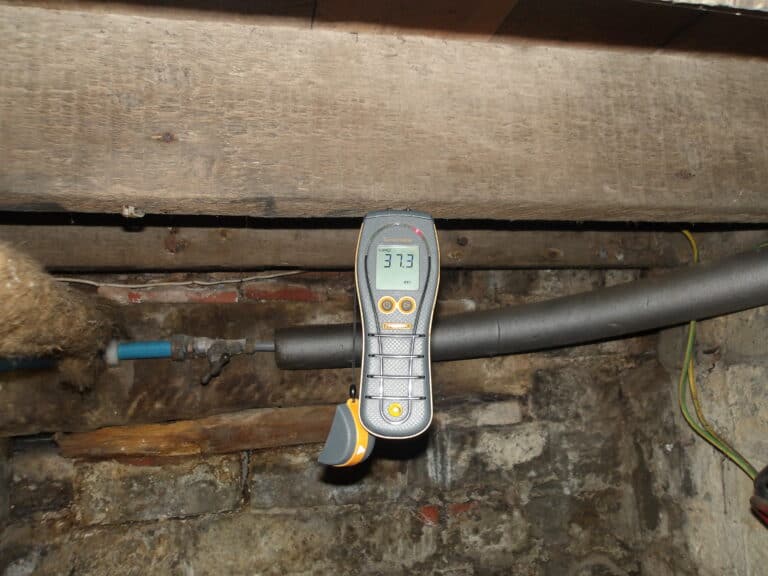
Victorian properties are some of the most beautiful homes across the UK. However, they are not without their share of damp and timber problems.
Many of these properties were built using materials and construction methods that behave very differently from modern homes. While Victorian houses can perform exceptionally well when properly maintained, they are not without their share of damp issues.
In this blog post, I look at the most common damp problems in Victorian properties what causes them, and how they can be prevented.
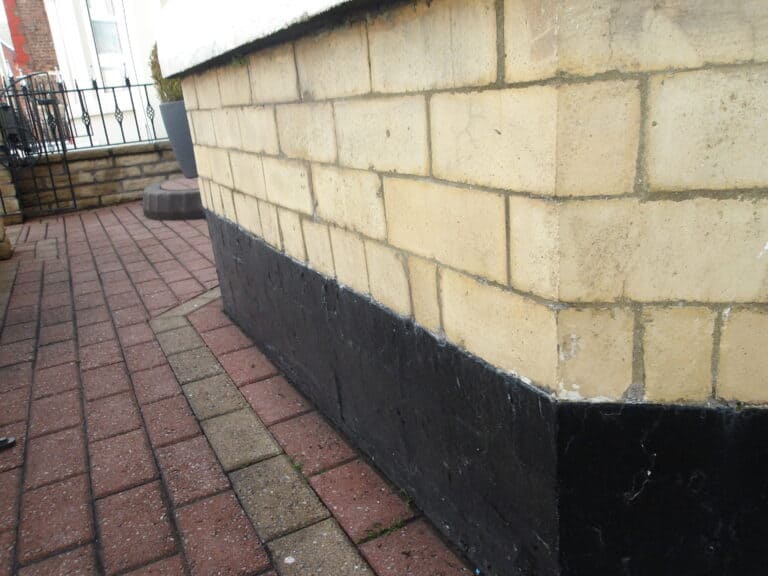
One of the most important factors to understand in Victorian properties is their solid wall construction. Unlike modern homes with cavity walls, builders constructed Victorian properties using solid brickwork. This means there is no cavity to prevent moisture transfer between the external and internal walls.
As a result, these properties are more susceptible to penetrating damp, particularly during periods of wind-driven rain. In exposed areas, south-westerly winds can drive rain directly into external masonry surfaces. Porous brickwork, aged mortar joints and defective pointing can allow moisture to pass through the wall and affect internal plaster finishes. This is something I regularly see during a damp survey Liverpool homeowners request for Victorian properties.
Solid wall construction can also contribute to lateral moisture penetration. This is often seen where external structures, such as garden walls or boundary walls, are built up against or tied into the main property. Without a cavity barrier, moisture can transfer through the masonry more easily.
Another factor to consider is thermal performance. Solid brick walls tend to be colder on their internal surface, particularly during colder months. This temperature difference can increase the risk of condensation forming where warm, moist air comes into contact with cold masonry surfaces.
Many Victorian properties originally relied on open fireplaces as their main source of heating before modern central heating existed. This meant people exposed chimney breasts daily to the by-products of burning solid fuel.
Over time, the burning of coal and other fossil fuels leads to the build-up of soot and hygroscopic salts within the chimney masonry. Even where chimneys are no longer in use, these salts often remain embedded within the brickwork.
The issue with hygroscopic salts is that they attract moisture from the surrounding air. This means that even in the absence of an active leak, chimney breasts can display persistent damp staining or patchy areas of moisture. This is frequently misdiagnosed as penetrating damp, when in reality it is a salt-related issue within the masonry. I also come across this issue during pre-purchase damp and timber reports, where chimney breasts often show staining that buyers initially assume relates to active water ingress.
Understanding this distinction is important, as the correct diagnosis will determine whether the issue is structural or simply related to surface contamination. A detailed condensation report helps confirm whether moisture relates to internal humidity levels rather than structural damp ingress.
A common feature of Victorian properties is the use of suspended timber ground floors. This type of construction lasts well when it works as intended.
These floors rely on adequate subfloor ventilation to remain in good condition. Air bricks and ventilation paths allow air to flow beneath the property. This airflow removes moisture that naturally rises from the ground and helps keep the timber structure dry.
Problems arise when these ventilation routes become restricted. This can happen due to raised external ground levels, blocked air bricks, debris build-up, or lack of regular maintenance. When airflow reduces, moisture builds up in the subfloor void.
Because timber is hygroscopic, it naturally absorbs moisture from its environment. If elevated moisture levels persist over time, this can lead to timber decay such as wet rot. As well as create conditions suitable for woodworm activity. In more severe cases, excessive subfloor moisture can also influence internal wall finishes and contribute to damp-related issues within the property.
If you need a clear diagnosis of damp issues in your property, an independent damp and timber survey provides a detailed, unbiased assessment of the cause and the most appropriate solution.