
Condensation is one of the most common causes of damp-related concerns in homes. It often appears as condensation on windows, persistent condensation in bathrooms or kitchens, and can lead to black mould forming on walls, ceilings, and around window frames. While it may seem like a minor nuisance at first, ongoing condensation can damage decoration, affect indoor air quality, and create uncomfortable living conditions if left unresolved.
Our independent condensation surveys are designed to identify the true cause of excess moisture within your property. Whether the issue stems from ventilation, lifestyle factors, building design, or insulation performance, we carry out a thorough assessment to determine why condensation is forming and how it can be effectively managed. The result is clear, practical guidance to reduce moisture levels, prevent mould growth, and protect your home long term.
Our condensation surveys go beyond simply identifying visible mould or moisture on surfaces. We assess how moisture is being generated within the property, how it is behaving, and why it is not dispersing as it should. This includes evaluating ventilation systems, airflow patterns, insulation performance, and the overall balance between heating and humidity.
Condensation in bathrooms and kitchens is often linked to everyday activities such as cooking, showering, and drying clothes indoors. However, persistent condensation on windows, walls, and colder surfaces may indicate a wider ventilation or insulation issue. Our role is to determine the contributing factors and provide clear, practical recommendations to reduce excess moisture and prevent recurring mould growth.
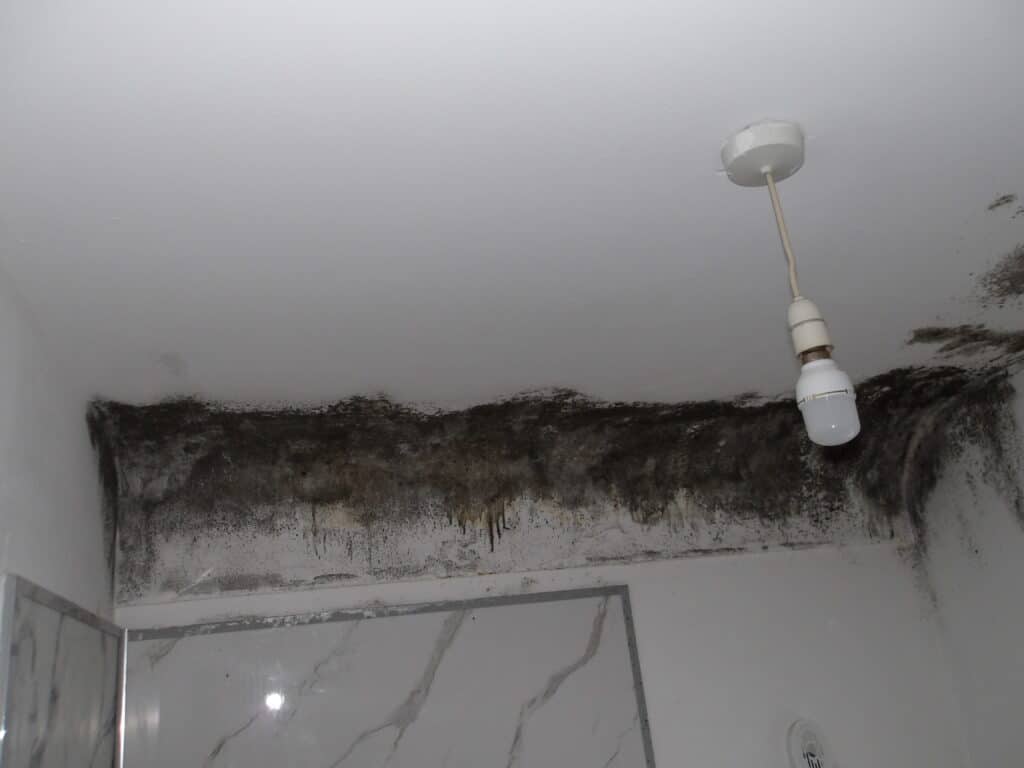
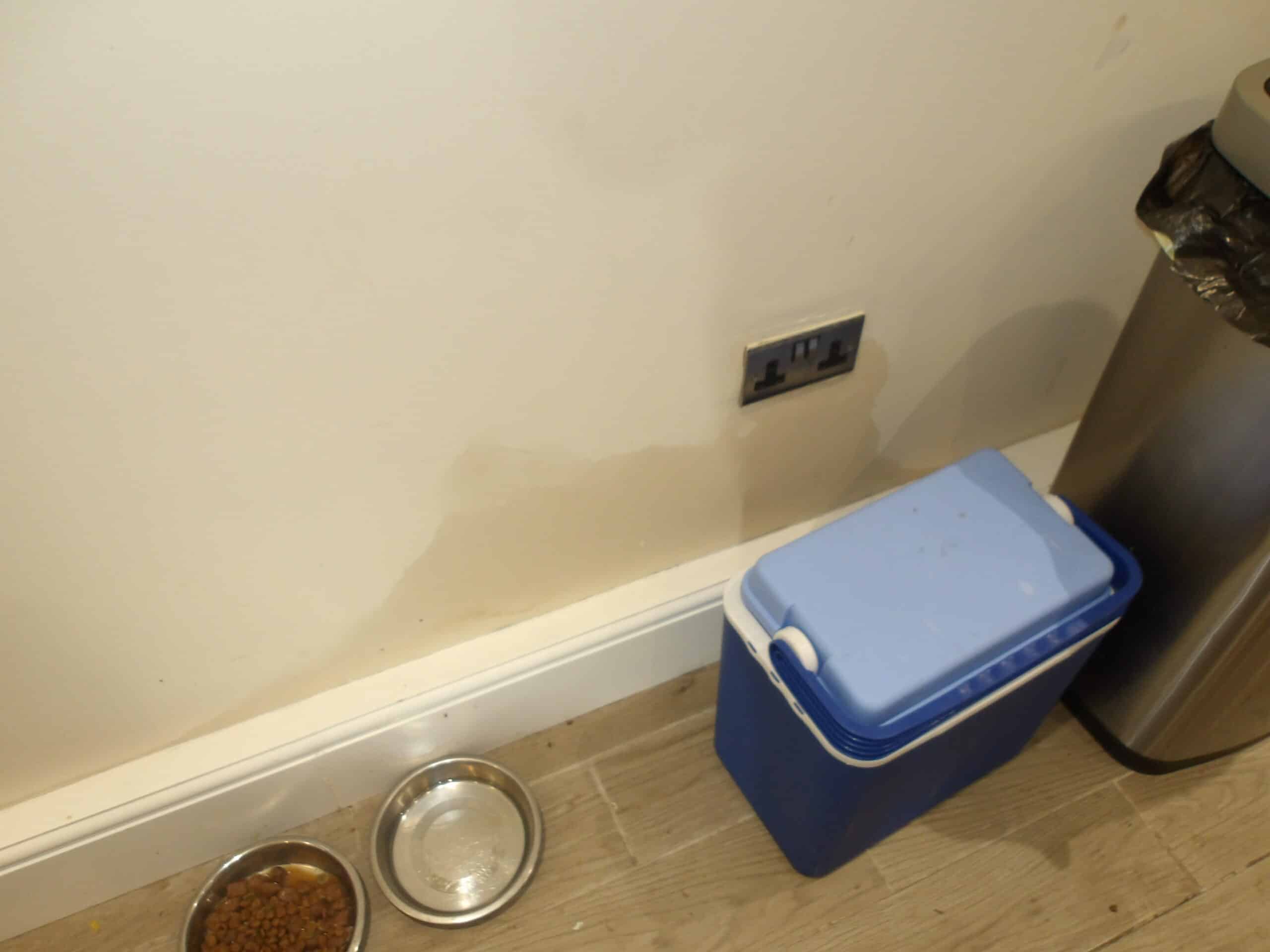
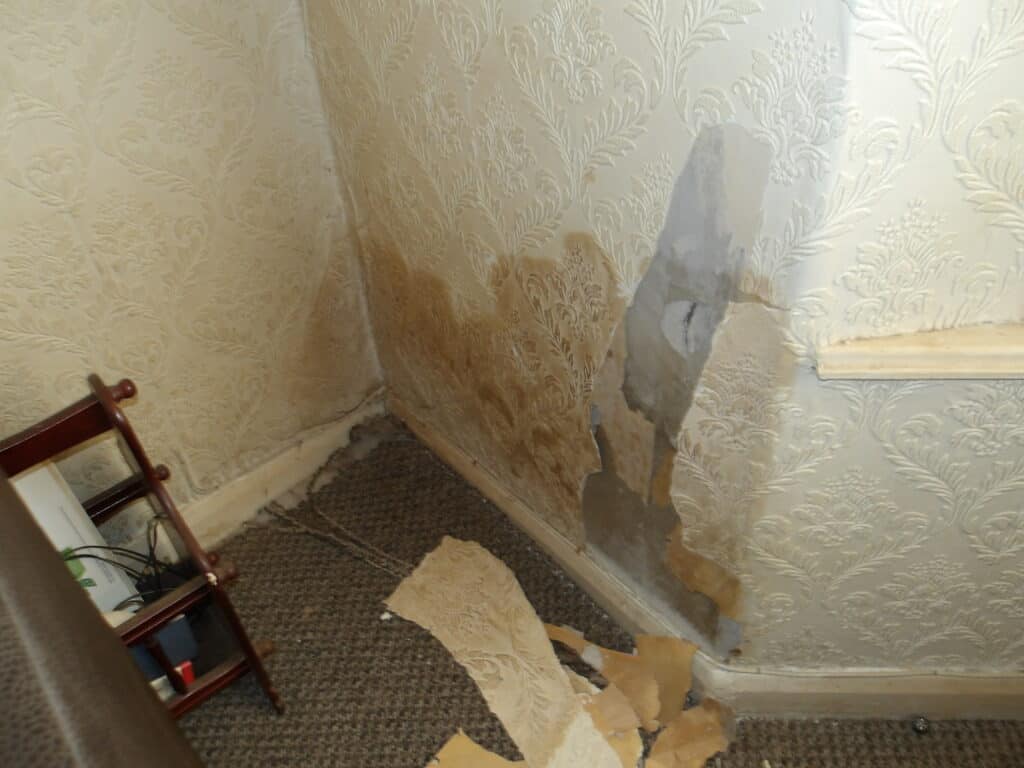
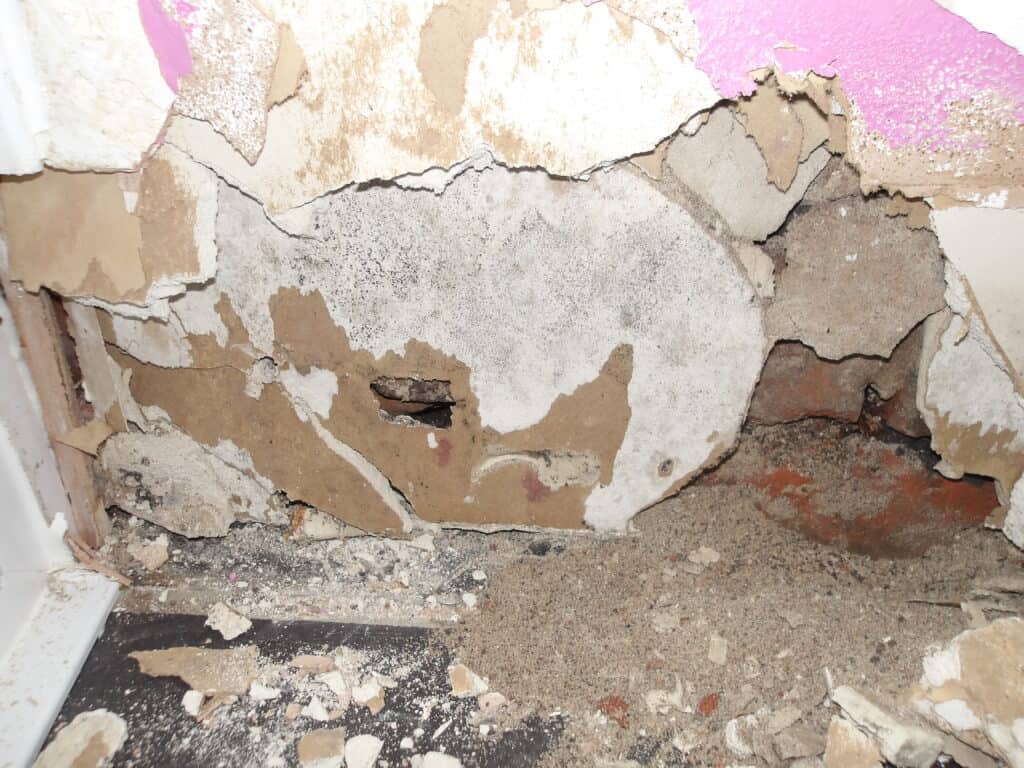
All four examples shown here have been caused by a build-up of condensation. As you can see, they present in very different ways — from visible mould growth to staining and damp patches that may resemble rising damp to the untrained eye.
Moisture-related defects can manifest in a variety of forms, which is why accurate diagnosis is essential. Without a proper assessment, condensation is sometimes mistaken for more serious structural damp problems.
As independent consultants, we have no vested interest in recommending expensive works that are not required. Our role is simply to diagnose the issue accurately and provide proportionate advice. Unlike companies whose primary business is carrying out damp proofing treatments, we do not benefit from specifying unnecessary work — which means our recommendations are based solely on what the property genuinely needs.
Condensation occurs when warm, moist air meets a cooler surface, causing water to form. Common areas include bathrooms, kitchens, windows, and poorly ventilated rooms. Lifestyle factors, such as cooking, showering, or drying clothes indoors, often contribute.
Condensation can often be reduced by improving ventilation, using extractor fans in bathrooms and kitchens, keeping rooms at a consistent temperature, and avoiding drying clothes indoors. Simple lifestyle changes are often more effective than expensive treatments.
Yes, condensation is the most common type of damp found in properties, and it’s also the most misunderstood and frequently misdiagnosed, sometimes knowingly, sometimes unknowingly. Even minor condensation, if left unmanaged, can lead to mould growth and damage to timber or decorations. That’s why accurate diagnosis by an independent surveyor is important to ensure the right solution is applied.
Yes. Persistent condensation can create the ideal conditions for mould growth, which can damage surfaces, furniture, and potentially affect health.
A professional condensation survey identifies the source, assesses the extent of moisture, and recommends effective, proportionate solutions. Often much simpler than costly damp proofing.
Yes, condensation can occur in lofts and other roof spaces, and if left unchecked, it can put structural timbers at risk of decay. A professional survey is essential to identify the cause and ensure the problem is addressed correctly, protecting your property from long-term damage.
You’ll receive a detailed written report, usually within 48 hours, showing our findings, photographic evidence, and practical recommendations to address the condensation and prevent recurring issues.
Mould growth usually occurs where moisture accumulates and air circulation is poor. This is often caused by condensation from cooking, showering, or drying clothes indoors. Identifying the source of moisture is key to preventing it.
This is actually quite normal. Condensation forms on colder surfaces, such as windows, when warm, moist air comes into contact with them. As long as it’s limited to these surfaces and isn’t causing mould or affecting walls and timber, it’s nothing to worry about. Regular ventilation and wiping down windows can help manage it.
Condensation on windows usually occurs when warm, moist air inside the property meets a cold window surface. It’s very common in kitchens and bathrooms. While it may look alarming, it doesn’t always mean you have damp. Correctly identifying the source is important, as simple solutions like improved ventilation or insulation can often fix the issue without unnecessary damp treatments.
Condensation often appears in rooms with high moisture levels, like bathrooms and kitchens, especially when ventilation is limited. Hot showers, cooking, and drying clothes indoors all add moisture to the air, which can settle on cold surfaces like windows, walls, or tiles. Identifying the source of the moisture and improving ventilation or airflow can prevent mould growth and long-term damage.
We provide professional condensation reports across the North West, helping identify moisture and ventilation issues in homes and buildings. Our surveyors regularly assist property owners in Liverpool, Wirral, Halton, Warrington, St Helens, and throughout Cheshire. You can also view our areas we cover page for a full list of locations where we provide surveys.
Talk To Us About Your Damp And Timber Survey Needs
If You Prefer you can Call Our Office on 0151 662 1033 to speak to The Team Directly